Though “desire” and “longing” are often used interchangeably in the English language, for the purpose of this blog, I would like to make a distinction.
“Desire” was borrowed from the Old French desirier (from the Latin desiderare) following the Norman Conquest.
“Longing” originates from the Old English langung or langian (verbal noun), which derived from the Proto-Germanic verb *langōną—the act of “stretching out towards” something distant, rooted in the same sense as “long.”
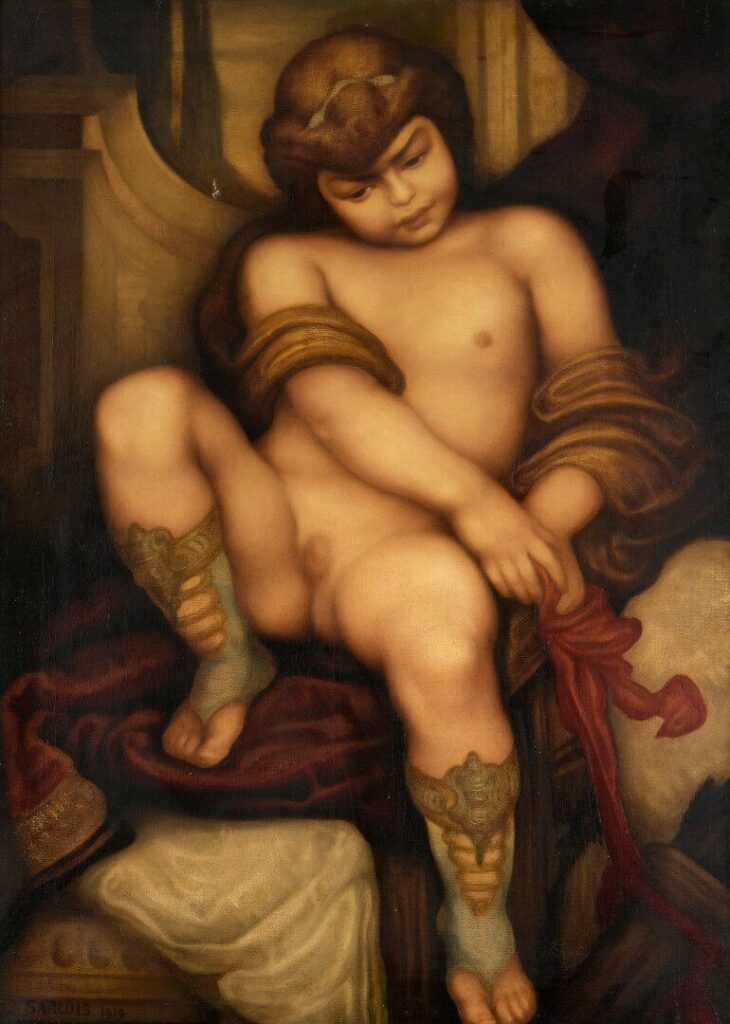
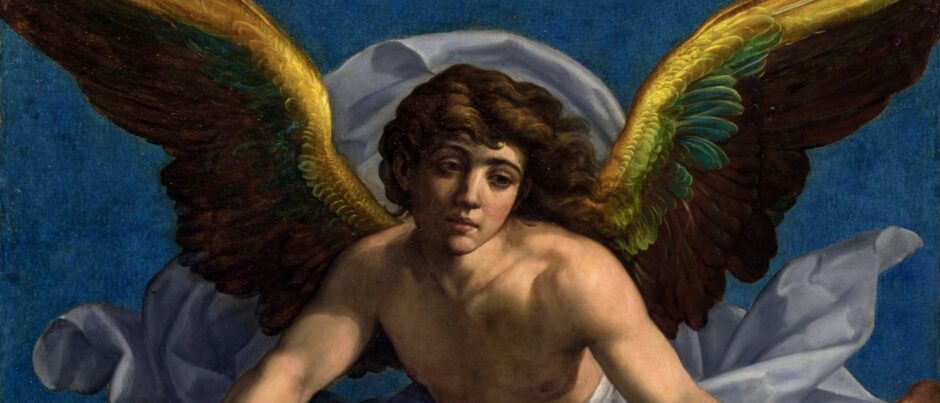
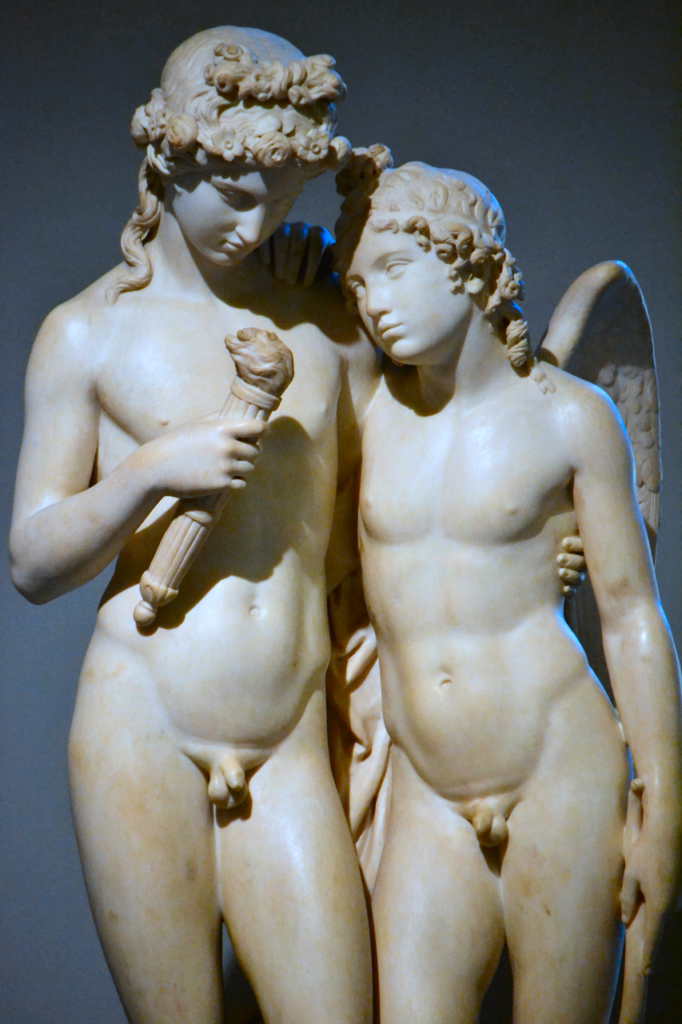
To me, then, desire in its purest form is a divine prerogative. Desire as embodied in the youthful, Orphic Protogenos is the seed of life, the originator of beauty, the catalyst of creation. Above all, it is the mechanism by which the gods are self-sustained (more on this in my book)
Because our nature is in part divine, we are prone to desire as well. Yet desire in us is corrupted. One look at the human condition is enough to demonstrate that our desires inevitably degenerate into greed, possessiveness, jealousy, erratic behaviors, hate, war, and destruction.
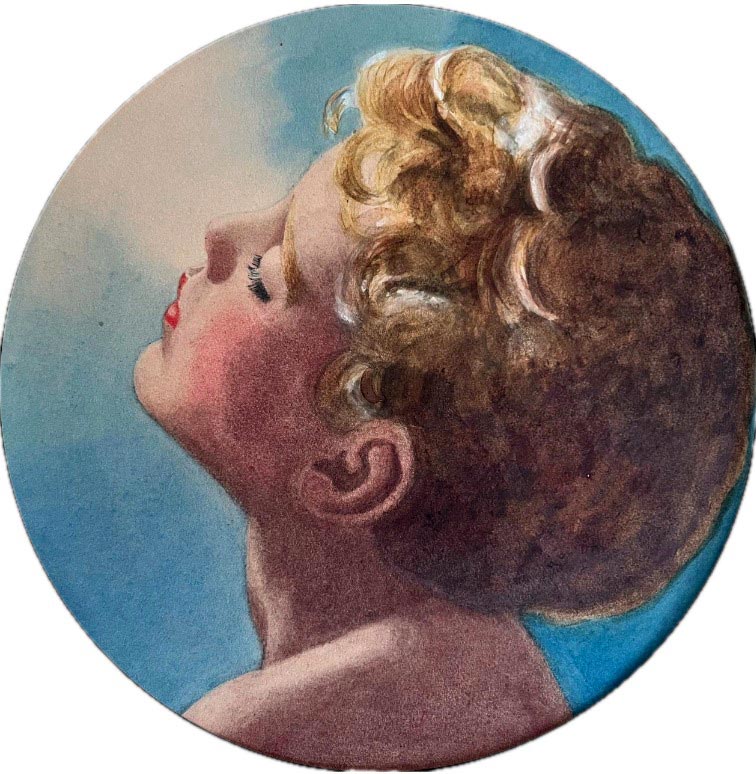
Longing, on the other hand, is suitably human because our longings ultimately draw us closer to the divine.
In the dynamics between soul and spirit, the lover’s “stretching out towards” the divine Other, and the desire of the Beloved to unite with the soul bring about the merging of the twins—the hieros gamos, or transcendent union.
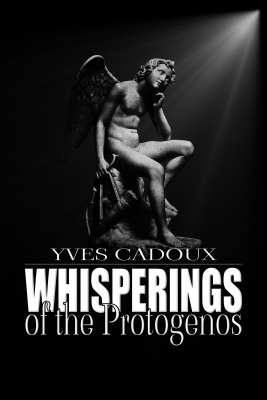
This post is based on an excerpt from my book.