A Christmas in the early 1970s I received from my uncle a book that I cherished for many years until, sadly, I “put the ways of childhood behind me” and lost my gift. It was an illustrated collection of Scandinavian folk tales, stunningly illustrated by Federico Santin in 1962. The art is vibrant, detailed, and slightly atmospheric, often featuring the sweeping landscapes and mythological creatures of the North.
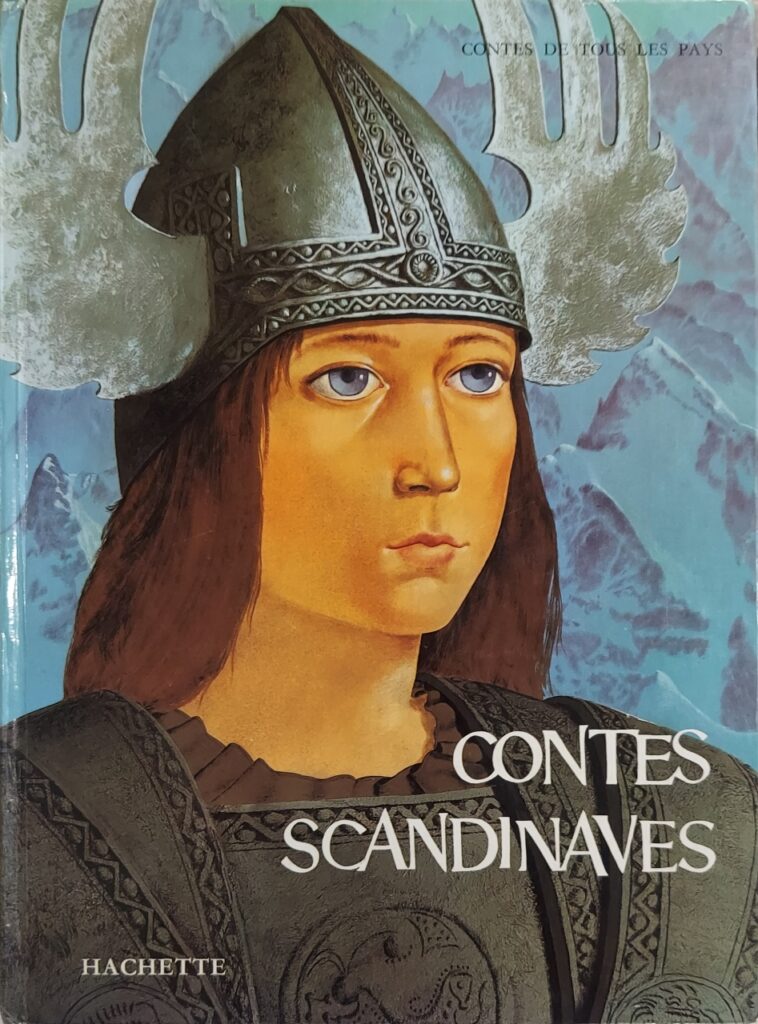
By a stroke of luck, some forty years later, I was able to purchase a good second-hand copy online (see the picture above).
The beautiful illustrations still fascinate me. They have a mystical luminosity that reminds me a little of the technique of Maxfield Parrish.
I remember how the magical stories in the book captivated me when I was a child. Two of them especially impressed my young imagination.
The first told the story of Olaf, the young son of the Lord of Flagh-Staad. Olaf liked to take long walks by the sea and often rescued helpless animals. One day, he saves a colony of seagulls from the attack of a vicious raptor. He is then led to an enchanted grotto where he meets the king of the elves. The mysterious monarch gives him a precious stone as a reward for his selflessness and bravery, and Olaf hides the gem in the garden of his father’s castle because he is under an oath never to reveal the existence of the elves.
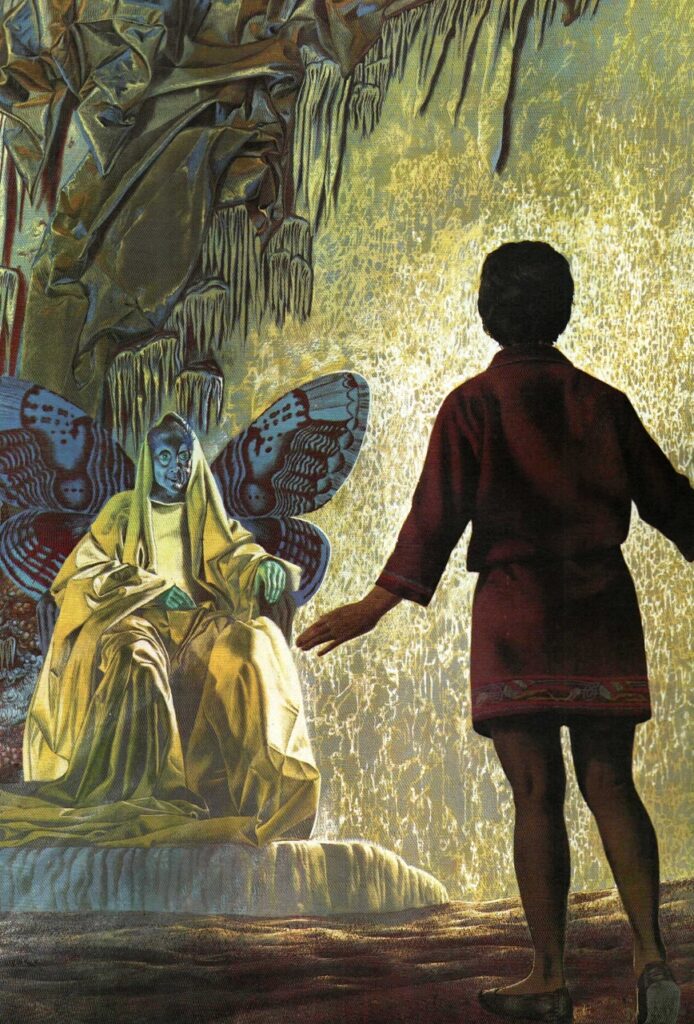
The other story was that of Nadod, an Icelandic shepherd boy who wanted to fly. One day, he meets a young stranger who, as thanks for the boy’s generous hospitality, offers to help him. The traveler takes the stripling on his horse, and the animal soars through the clouds and above the sea. But that is only part of the journey. Nadod must find the witch who can make his dream come true. Nadod gets his wish but is betrayed by the witch. In the end, he is rescued by his enigmatic benefactor who was the god Thor himself.
Nearly all the tales in the book have magical elements. As a boy, it struck me how those other boys in the stories could interact so easily with the supernatural. It left me for a longing for the divine “other,” a Boy-God who would rescue me from the mundane, take me astride his mount, and carry me away to a fantastical kingdom.
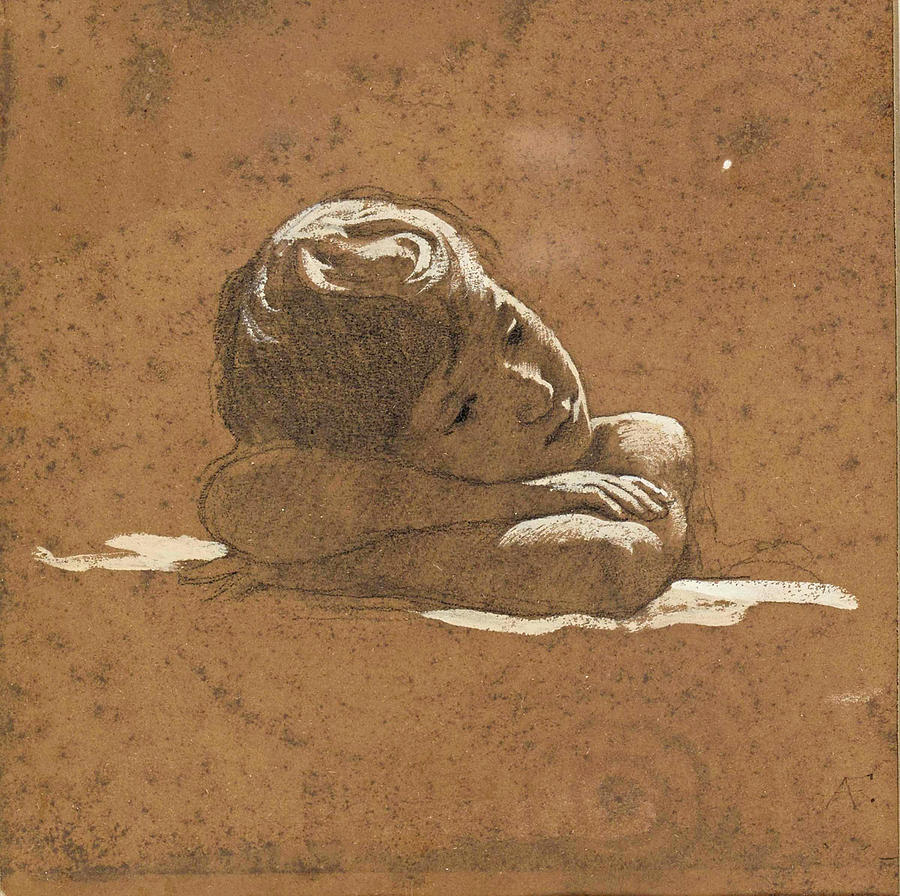
Such were the daydreams of a child, of course. And yet my earnest longings, I realized many years later, were symptomatic of something deep and authentic. I came to believe that if one cannot create his own earthly, fossilized reality, we have paradoxically much more control over the fluid aethereality beyond this world. All it takes is a large and consistent measure of childlike imagination to reconnect with the numen within us, which is the key to a kingdom of our own.