
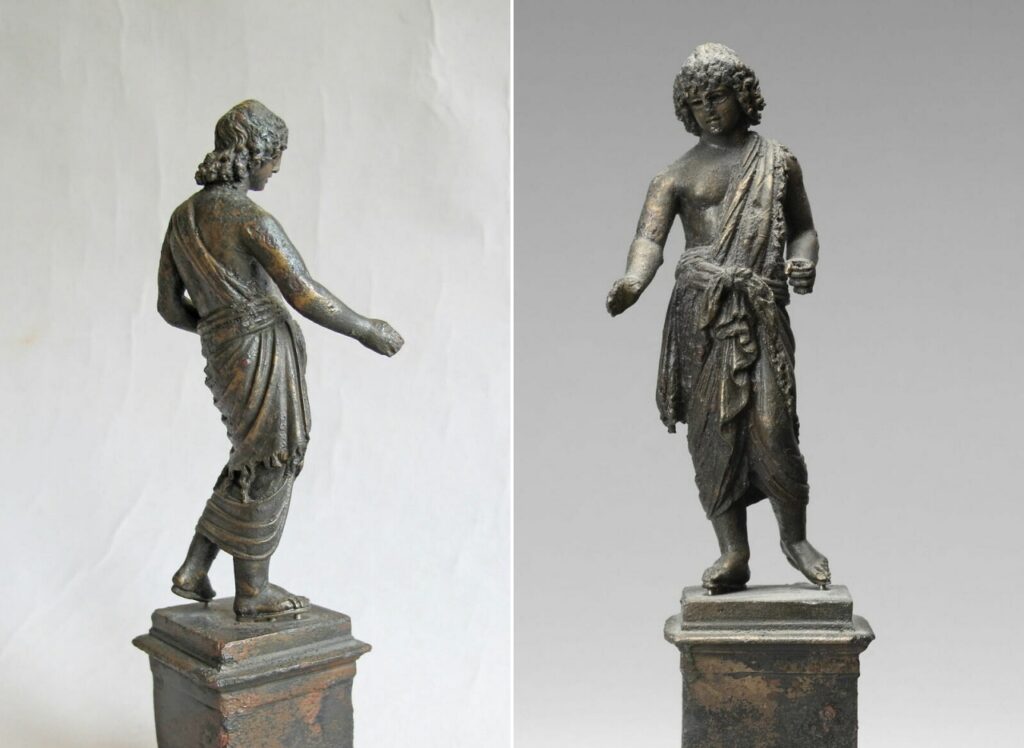
Before, the petty, jealous, and sadistic mountain jinni Yahweh appropriated the title “Adonai” in a bid to lord over our sphere, the handsome, ever-young Boy God Adonis was worshiped by the Phoenicians, and in the unspoken mysteries of the Greek women. A myth telling us how a wild boar killed the graceful ephebe becomes an allegory for our time: the boorish one-God has supplanted and murdered the classical Boy Gods of passion and ecstasy. We created a lawgiver to justify the abuses of society; we pray a Heavenly Father to bless our wars and our armies, to grant victory to a politician or a sport team; we have conjured a Rex Mundi who revels in our hysteria and oversees our slow, steady, descent into the crushing gears of a materialistic system.
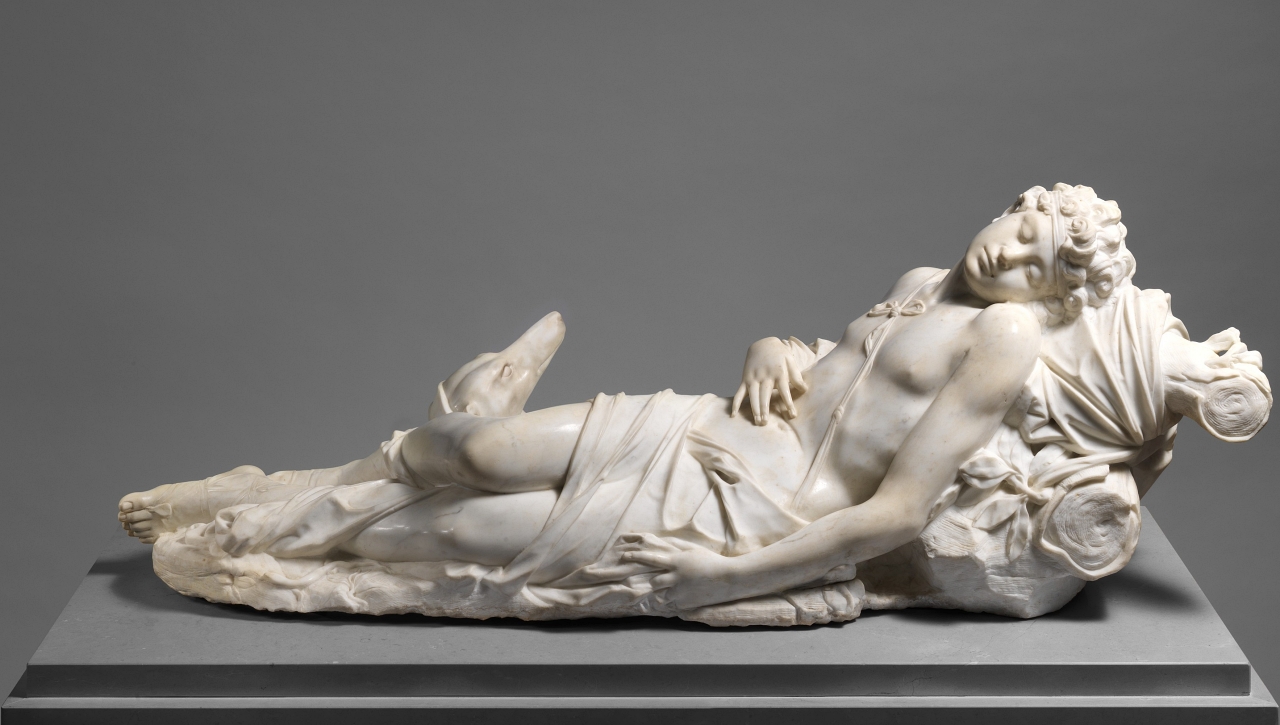
The myth of Adonis originates in the ancient Near East—especially the Levant and Mesopotamia—and was later adopted and reshaped by the Greeks. What remains constant across these transformations is Adonis’s essential nature: beauty as a force in itself, youth as a sacred state, desire as something that transcends categories and hierarchies. Gods desire him, goddesses war over him, mortals mourn him, and through it all, he remains the passive center, the beautiful object that moves others to action.
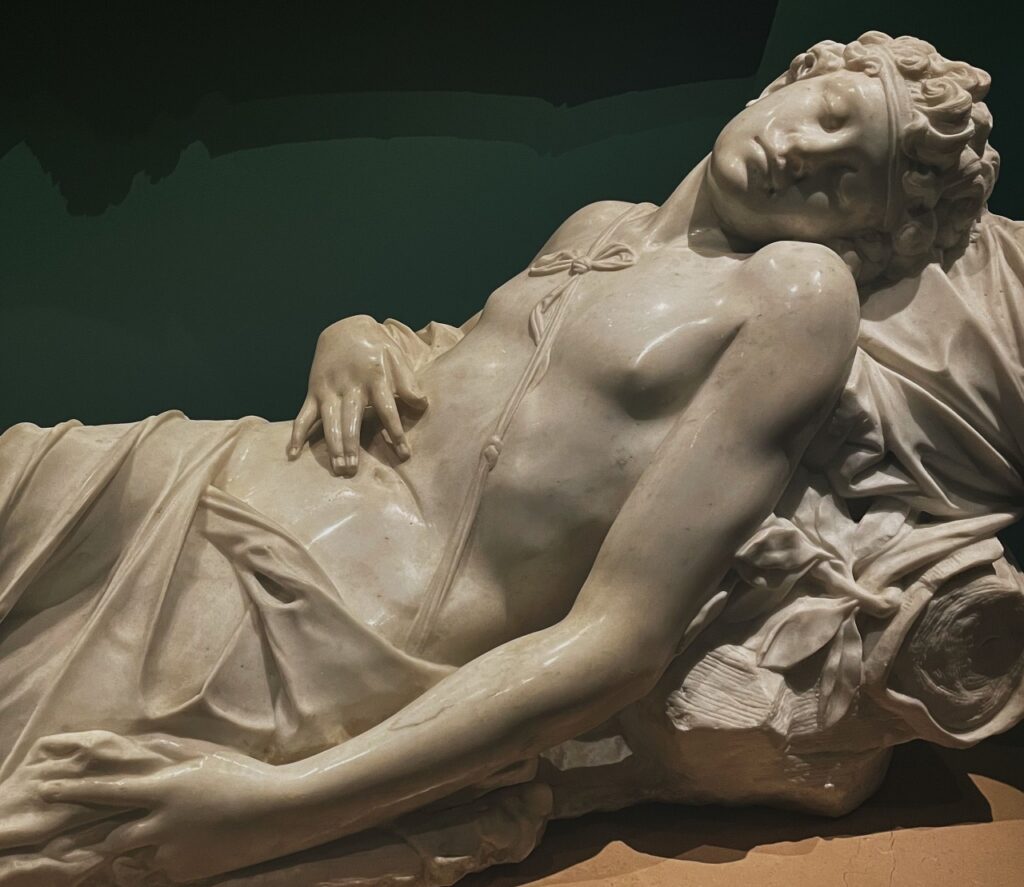
Adonis, however, represents something more specific than mere beauty—he embodies the concept of the kouros, the eternal youth suspended at the threshold of manhood. Unlike gods like Zeus or Poseidon who wield mature masculine power, or even Apollo who represents idealized young adulthood, Adonis exists in perpetual adolescence.
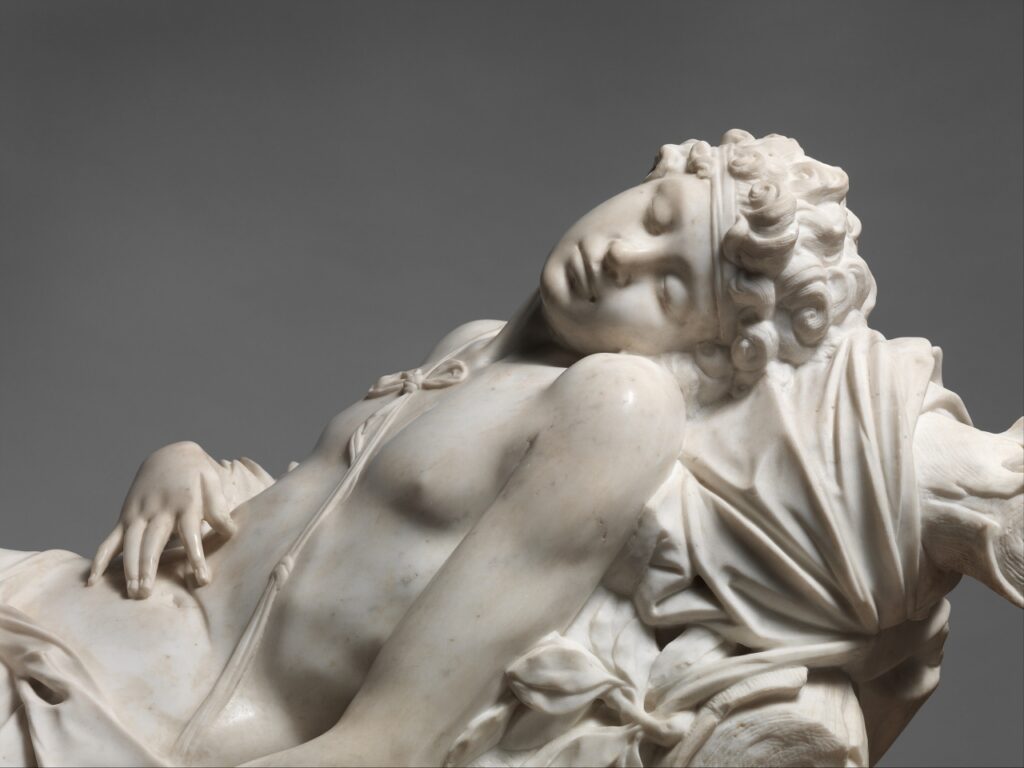
This isn’t incidental; it’s the very core of his divine nature. In a pantheon full of gods who do things (Zeus rules, Athena strategizes, Ares fights), Adonis simply is. And that being is enough to shake the cosmos. He is not a husband. He is not a father. He is the beloved. His entire identity is relational: he exists to be desired. Adonis is less a character than a principle: the principle that beauty and youth possess their own form of divinity, independent of power, wisdom, or action.
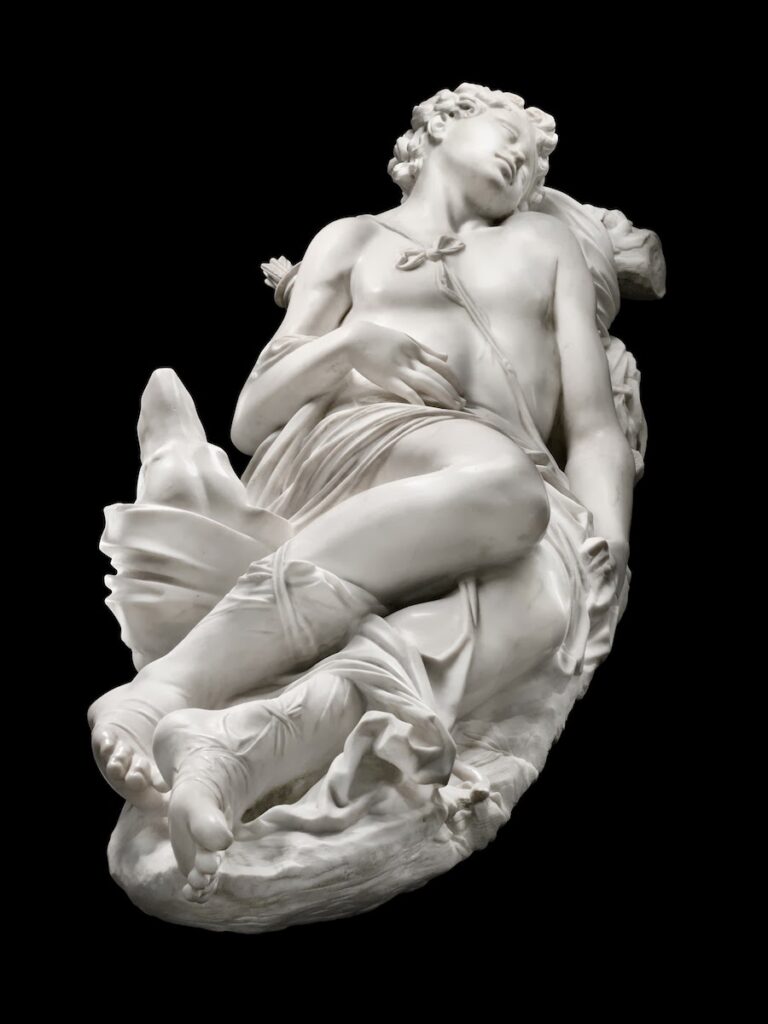
In a metaphysical sense, Adonis is the fleeting image of perfection that haunts all art and love. You glimpse him in a face, a sunset, a moment of joy, and then he’s gone. To love Adonis is to love what you cannot keep in material existence but can hope for in another world.