From ages immemorial, when they first appeared in circumstances unknown, angels have fascinated humankind. Their influence can be traced as far back as the Babylonian empire and the Zoroastrian religions. Though they assumed many shapes and donned many disguises, we follow over the millennia the flight of those resilient and commanding beings who mediate between the psyche and the beyond.
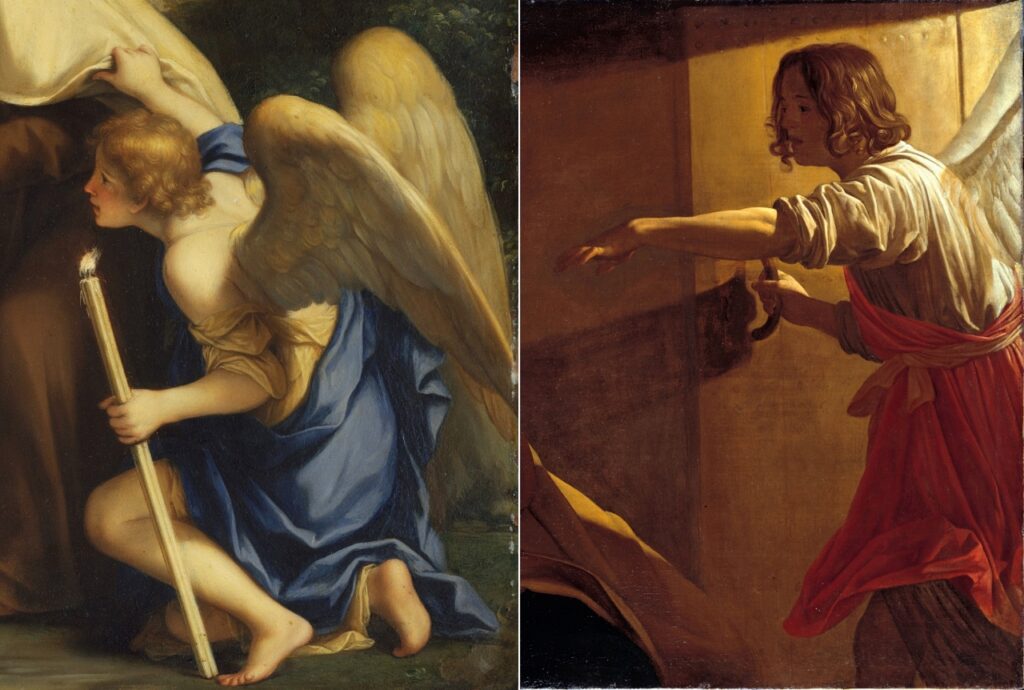
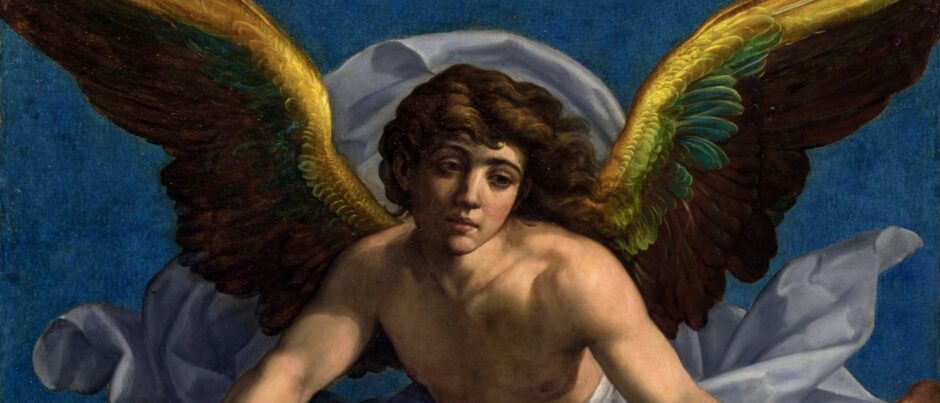
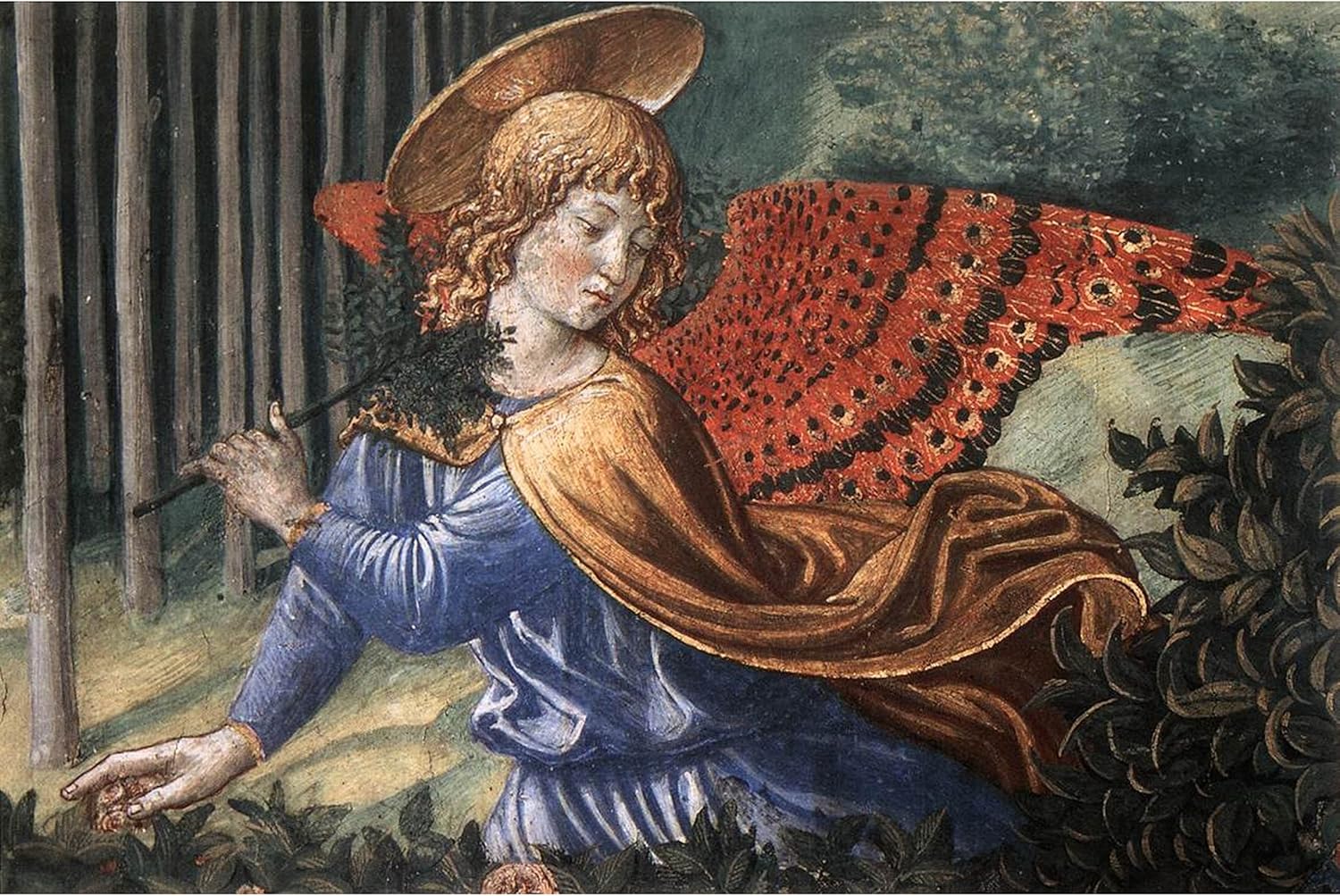
The scholar-mystics determined their place in the hierarchy of the heavens; the master glaziers and illuminators of the Middle Ages gave them their luminescence; the Renaissance and Baroque artists refined their androgynous allure while strengthening their bearing.
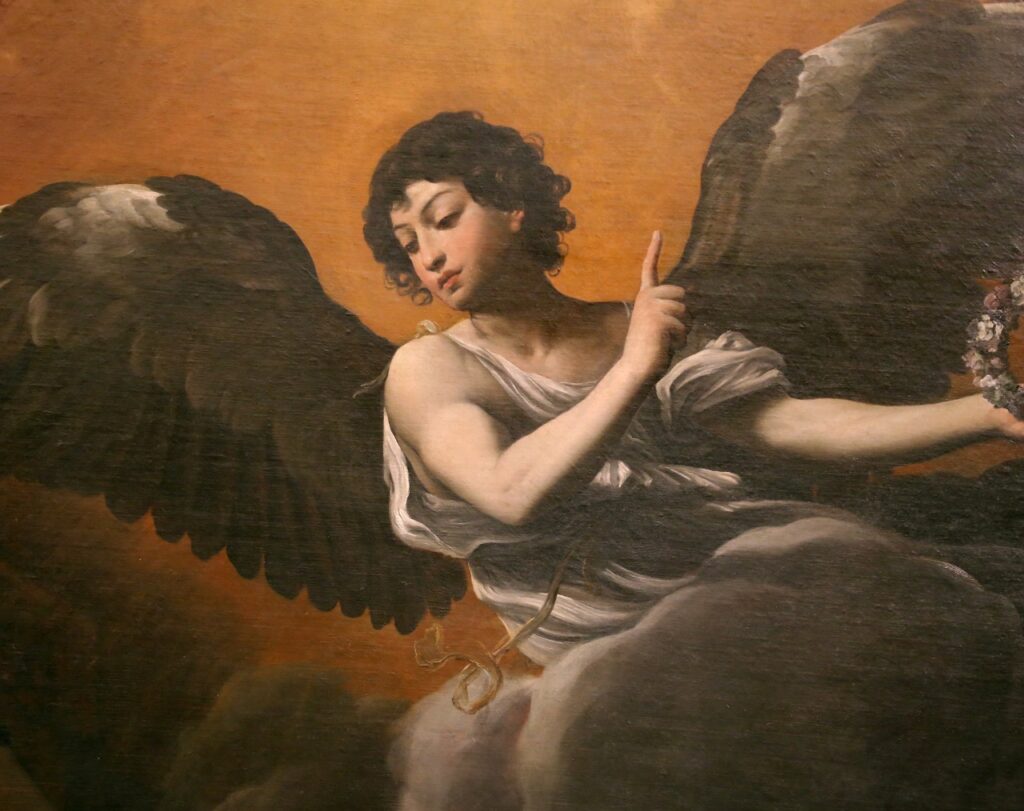
When the powerful messengers reached the peak of their rule, the Abrahamic God grew jealous and fearful of their equivocal, transcendent beauty and their unique bond with mankind. So it was that the Reformation made them disappear from one-third of Christendom.
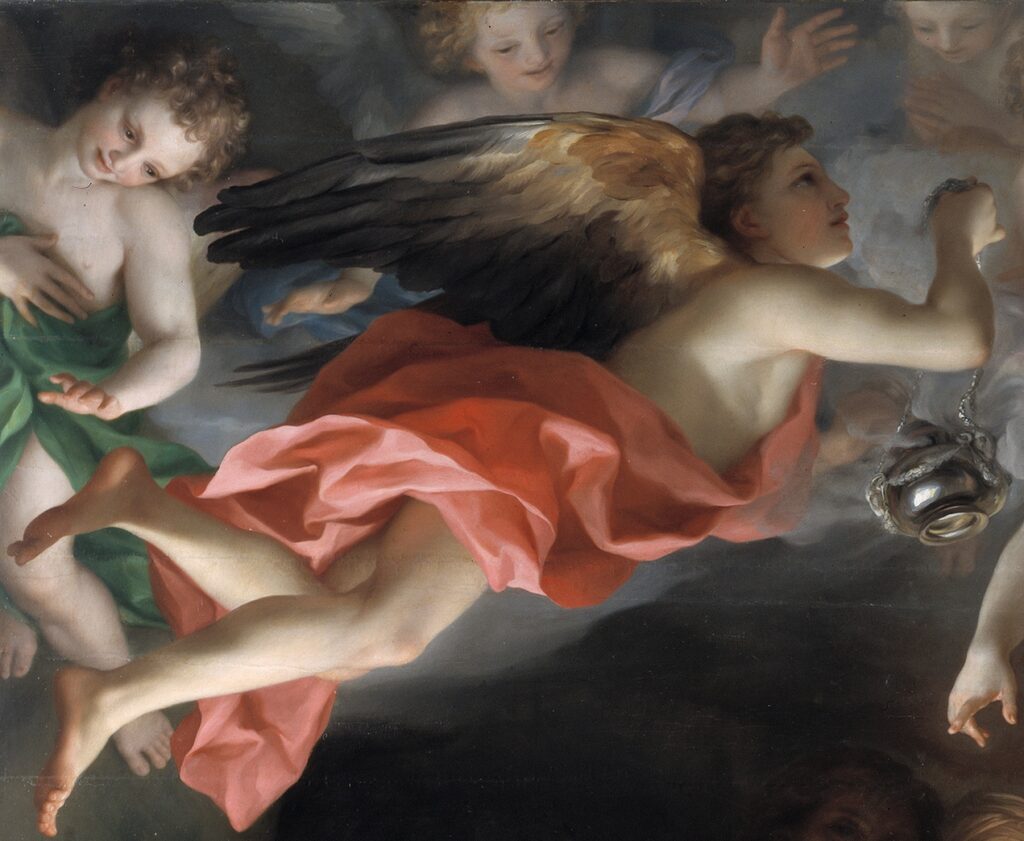
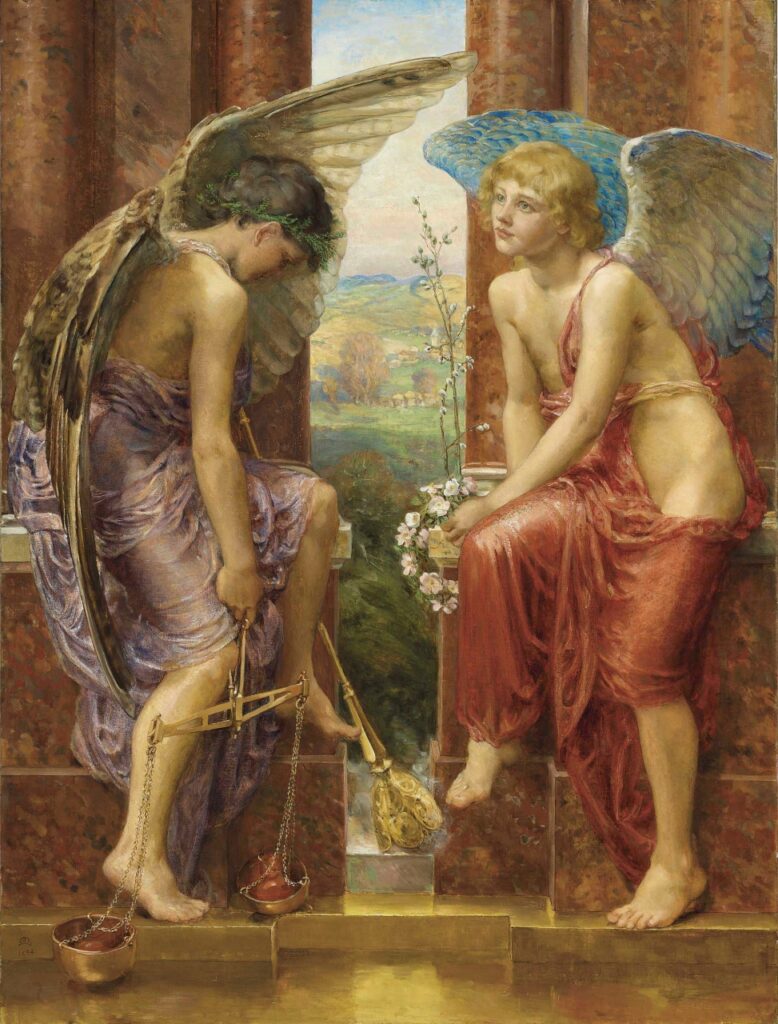
The vanished would eventually return, but under strict gender lines, with the incoming artificers of morality stripping them of sexual ambiguity: the pre-Raphaelites of the Victorian age feminized the divine ambassadors, while the propagandist imagery of the twentieth-century militant churches virilized them. And that wasn’t the end of their curse. New-Agers drew the celestial beings down to the commonplace, while the digital age vulgarized them, sealing the gates of their kingdom.
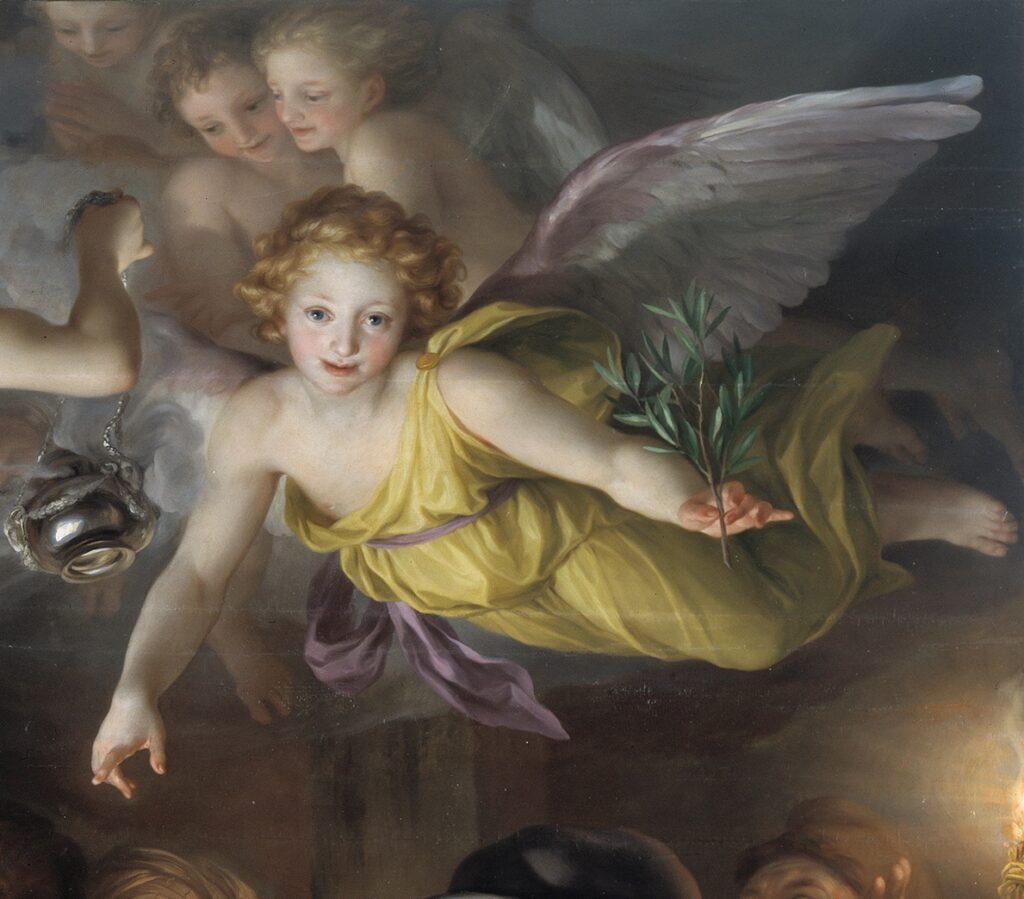
The classical angels, suffused with exquisite grace, have been displaced in our imagination by tawdry, fantasy creatures devoid of quintessential presence—a reflection of our increasingly clouded and erring minds. A hideous new breed of supernatural messengers, repulsive to aesthetic sense, brims with artificial light and colors to compensate for its hollowness. But light is not always beautiful, and when it is glaring, the beautiful angels are dying.