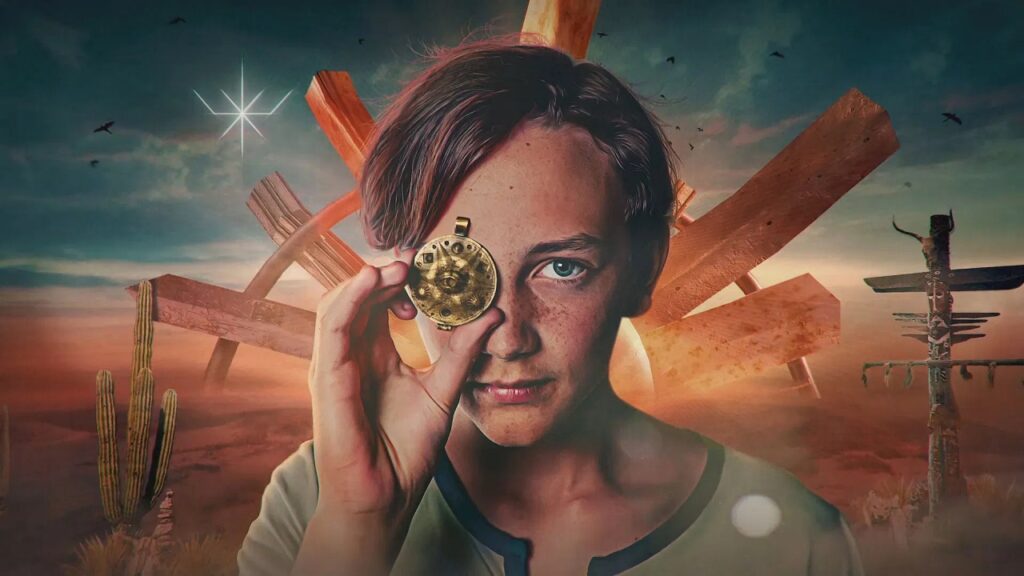
Netflix’s The Chosen One (“El elegido”) is more than just another graphic novel screen adaptation. This 2023 six-episode series, starring Bobby Luhnow, is a stunning, sun-drenched journey that skillfully blends adolescent friendship drama with profound theological questions, carving out its originality in the dusty, mystical landscape of Baja California, Mexico. It’s a visually stunning, emotionally resonant experience that deserves a spot on your watchlist. More to the point with regard to this blog, The Chosen One is one of the rare modern portrayals of a Boy-God myth.
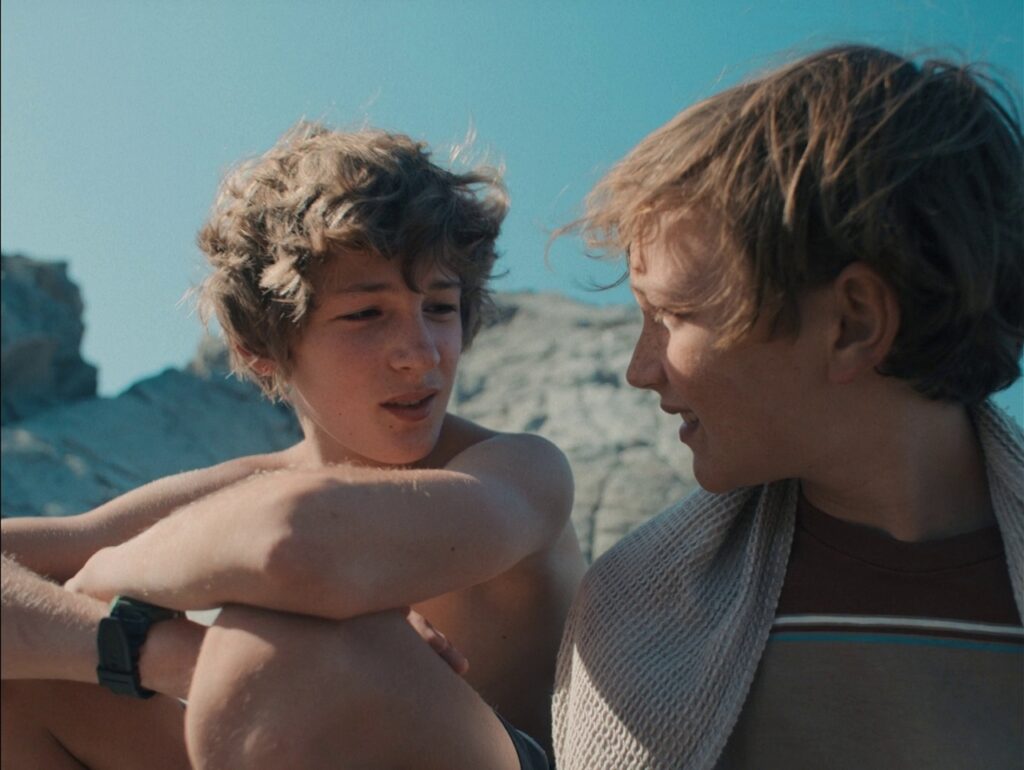
The series follows 12-year-old Jodie (Bobby Luhnow), a quiet boy living in the small town of Santa Rosalía in the late 1990s. After surviving a horrific truck accident completely unscathed, Jodie begins to manifest miraculous abilities: turning water into wine, healing the sick, and even raising the dead. Alongside his tight-knit group of friends, Jodie must navigate his newfound fame, the skepticism of the town’s religious leaders, and the weight of a destiny he never asked for. As evangelical preachers and Catholic priests vie for his allegiance, the town is gripped by a religious fervor. Meanwhile, a mysterious stranger arrives with questions about Jodie’s past that hint at a truth far more complex than anyone imagined. Jodie is thrust into the role of a modern-day Messiah, but beneath the biblical wonders lies a darker secret about his origin and destiny.
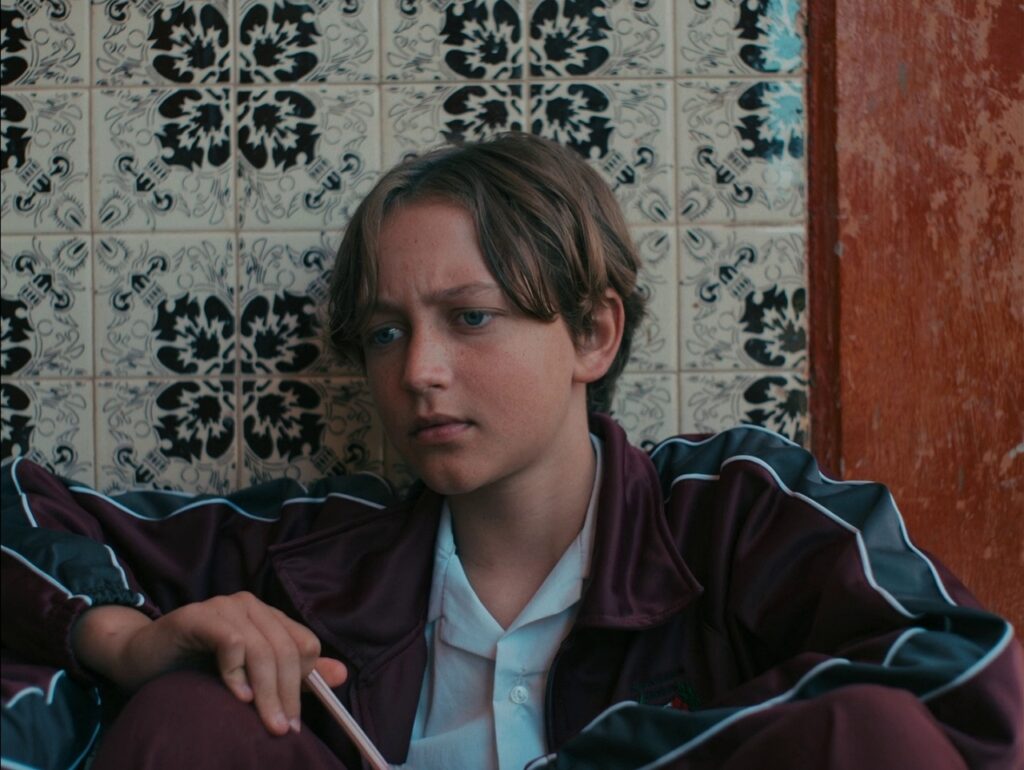
Mischievous one moment, eerily calm the next, young actor Bobby Luhnow delivers a performance that anchors the entire series with authenticity. Bobby captures the vulnerability of the child as well as the emotional and sexual awakening of a developing teen boy. Simultaneously, he conveys the confusion of a youth facing the conflicting desires that go along newfound supernatural abilities. The internal tension makes the metaphysical elements feel grounded in human emotion, intimate rather than theatrical.
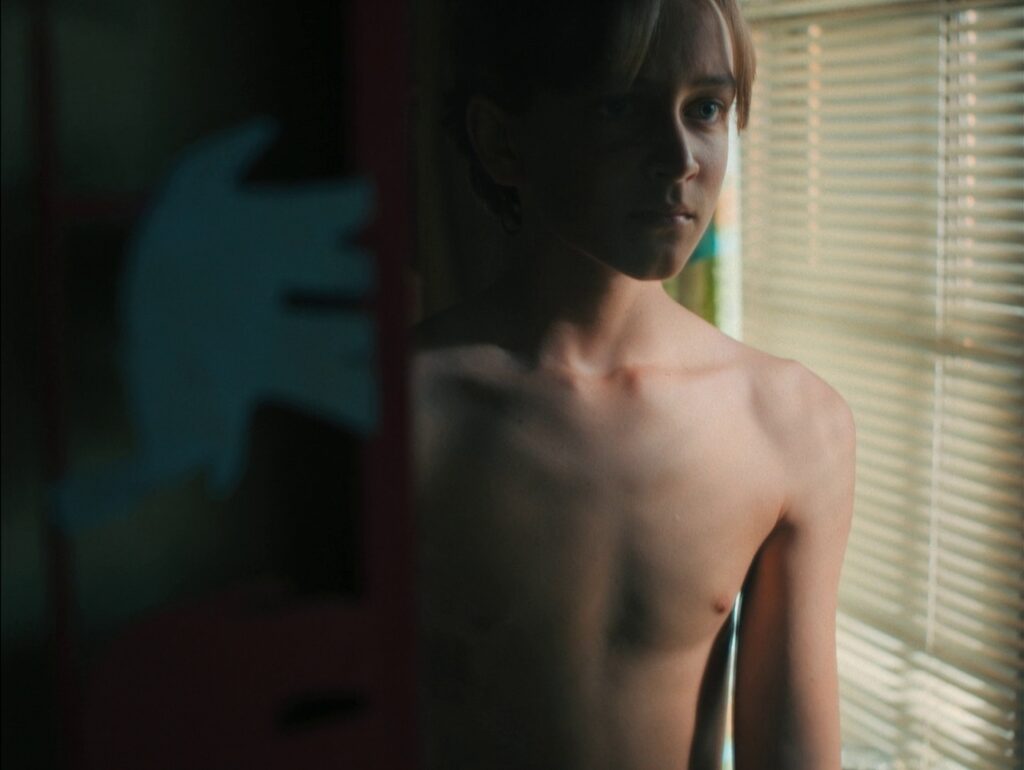
The show is gorgeously photographed. Shot on film with a classic 4:3 aspect ratio, the series looks less like a television production and more like a series of moving paintings. Every sun‑bleached frame captures the vast, stark beauty of Baja California’s salt flats, creaking seawalls, small‑town streets, and the deep blues of the Sea of Cortez. The decision to shoot on location in historic towns like Santa Rosalía, utilizing its 18th-century architecture and surrounding mountains, lends an genuine, timeless quality to the story.
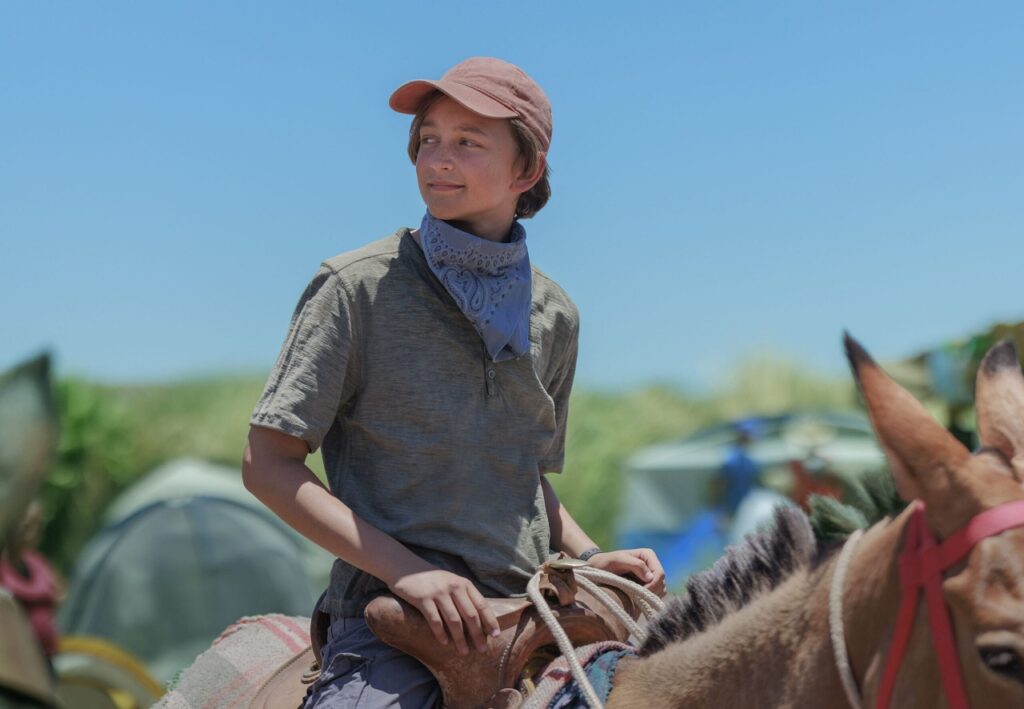
The director frequently composes Jodie against stark atmospheric backdrops that reinforce the mythic quality and otherworldly tone of the story without the need for CGI. Miracles are staged with restrained effects and close‑up intimacy rather than spectacle, which keeps the tone grounded and lets performances carry the emotional weight.
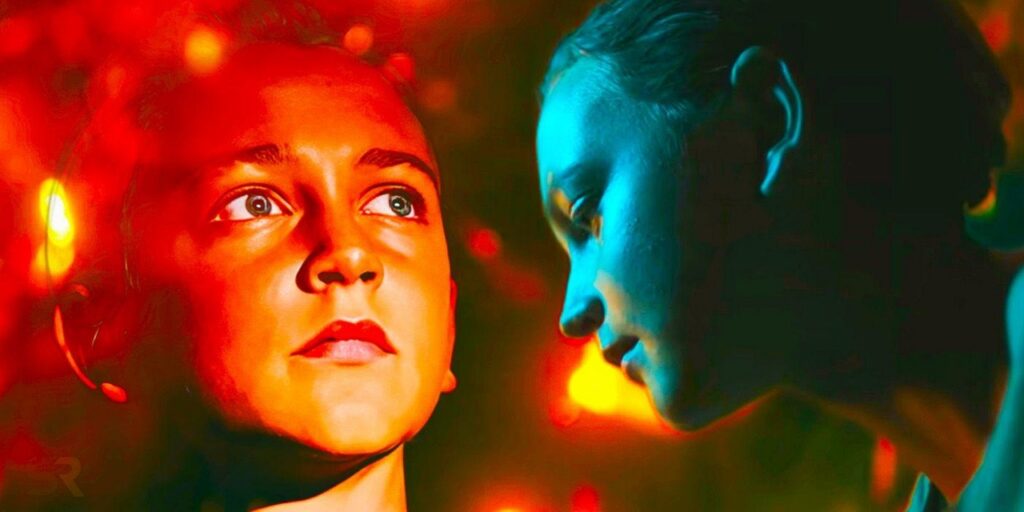
But what truly elevates *The Chosen One* (adapted from Mark Millar and Peter Gross’s graphic novel American Jesus) is its creative relocation from the original comic’s American setting to Mexico for a richer, more authentic sense of mysticism and cultural tension. This move allows the series to explore a fascinating religious landscape where faith is not monolithic—Catholic remnants, emergent evangelical pastors hungry for converts, and indigenous spiritual practices. The series takes a respectful but critical look at how religion can be a source of both genuine community and dangerous fanaticism, exemplified by a disillusioned Catholic priest and a zealous evangelical pastor who compete for influence. I was especially impressed by the show’s blending of Christian motifs with regional shamanic and sea‑spirit folklore (the siren myth, desert rites, the Yaquí tradition of ancestors turning into whales to escape conquerors), creating a syncretic atmosphere where miracles are interpreted through multiple cosmologies as a living part of the community. This local mix complicates the “messiah” narrative: Jodie’s powers are read differently by different groups, prompting moral ambiguity rather than easy answers. It is a nuanced portrayal rarely seen in American genre television. The TV series also trades some of the graphic novel’s provocative, pulpier shocks for character depth, landscape, and moral ambiguity.
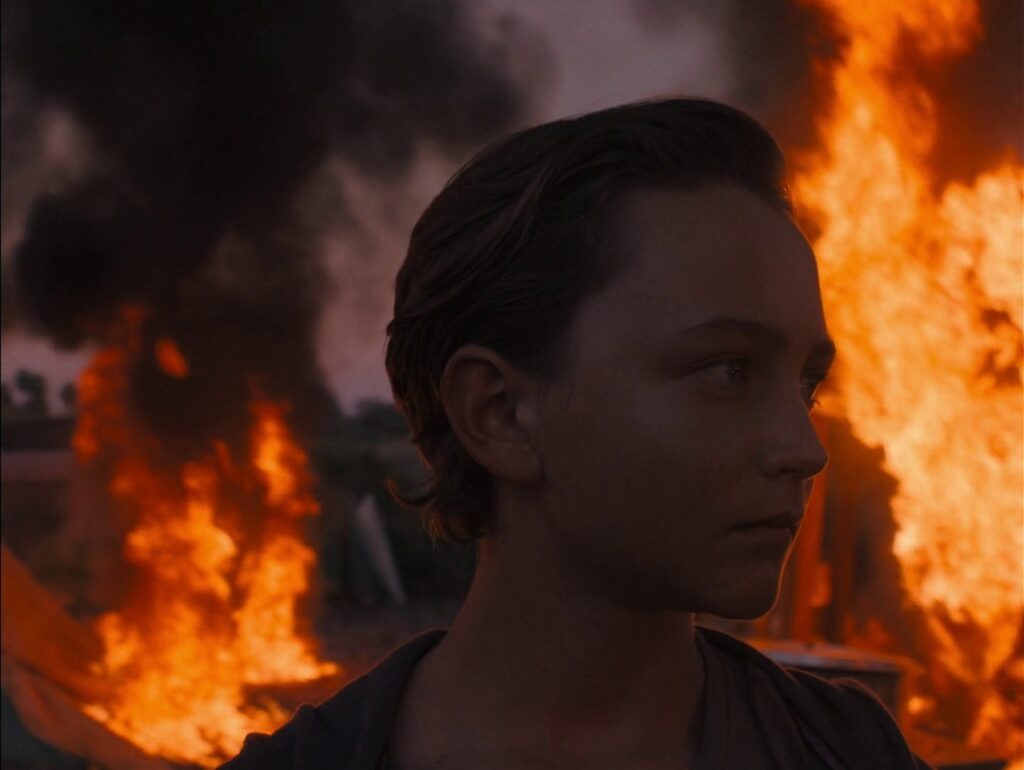
I loved the show through and through up to the last ten minutes or so that nearly ruined the identity the series had built for itself by departing in many ways from the graphic novel. The writers decided to keep the comic’s version of the resolution I suppose to create the obligatory finale’s shocking twist and cliffhanger. For the TV adaptation, however, I truly think the story would have been better served with an original rewrite of the ending. Instead the ending falls into the Antichrist cliche and tropes of the “The Omen” movie franchise.
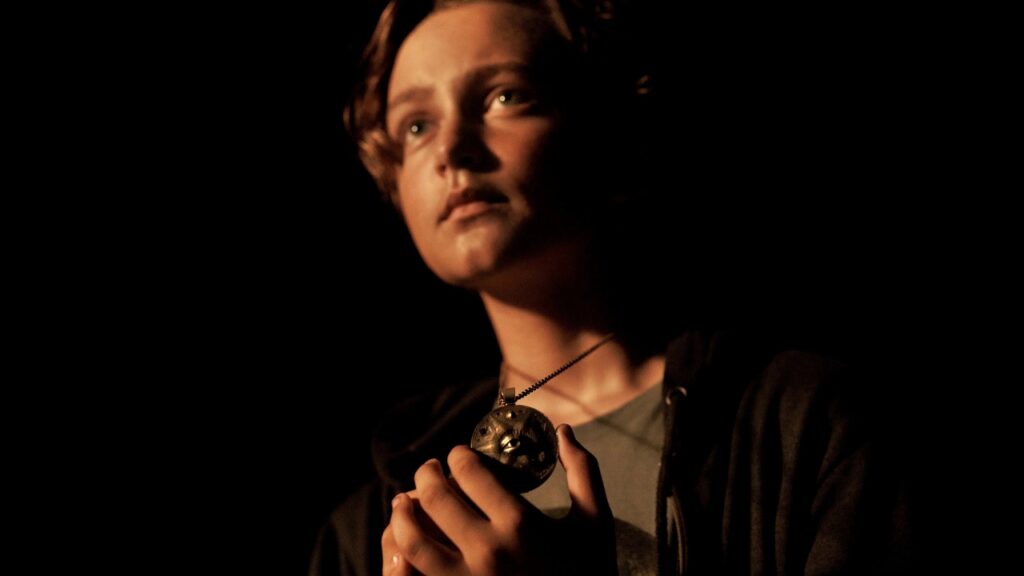
Curiously, that let-down really bothered me more than it should have. I felt that it betrayed the value I had attached to the unfolding of a Boy-God myth that accorded with my own vision. That heartfelt sense of betrayal turned into a catalyst. After a few days of mulling, I used elements from “The Chosen One” to write a new story. My narrative, partially inspired by the show, would take the reader further on a mystical journey, not for the sake of thrills but for an earnest exploration of new metaphysical possibilities. That story is now part of my book.